Checking Out the Leading Pipeline Manufacturers: Quality, Integrity, and Development
The pipeline manufacturing industry stands at the junction of high quality, innovation, and dependability, driven by leading companies such as Tenaris and Vallourec. These producers are not only devoted to generating high-performance materials but are likewise introducing sustainable practices that resolve modern-day ecological issues. As we check out the criteria that specify excellence in pipeline remedies, it becomes apparent that the landscape is swiftly progressing. What specific advancements are arising, and how are these improvements shaping the future of pipeline facilities? The solutions might redefine market standards in manner ins which are not yet fully comprehended.
Leading Manufacturers Overview
In the domain name of pipeline manufacturing, numerous principals become leaders, each adding considerably to the market's landscape. Business such as Tenaris, Vallourec, and JFE Steel have established themselves as frontrunners by consistently supplying high-quality products that meet rigid market requirements. Tenaris, renowned for its ingenious solutions, concentrates on smooth and bonded pipes, catering mainly to the oil and gas industry. Vallourec, a French multinational, concentrates on the production of premium tubular solutions, emphasizing sustainability and progressed innovation in its manufacturing processes.
Likewise, JFE Steel, a major Japanese manufacturer, is acknowledged for its comprehensive variety of steel pipes, particularly those utilized in power and infrastructure jobs. Their commitment to r & d has enabled them to generate high-performance materials that stand up to extreme environmental problems. Furthermore, companies like U.S. Steel and National Oilwell Varco have actually broadened their market presence by expanding their product offerings and boosting operational efficiencies.
These leading manufacturers not just dominate the market yet likewise drive development within the sector, setting benchmarks for top quality and dependability that players desire attain. Their contributions are essential for meeting the enhancing need for reliable and long lasting pipeline services worldwide.
Standards for High Quality Assessment
Quality assessment in pipeline manufacturing pivots on 2 critical criteria: product longevity standards and making procedure efficiency. Making certain that products satisfy extensive durability criteria is vital for the long life and dependability of pipes. Additionally, optimizing the manufacturing procedure can boost productivity while maintaining top quality, inevitably impacting general performance and safety and security.
Product Longevity Criteria
Assuring the longevity and reliability of pipeline materials is essential for keeping facilities honesty and functional performance. Product sturdiness criteria play a crucial function in reviewing the top quality of pipes, dictating the performance and lifespan of the materials made use of in construction. Manufacturers should stick to a variety of extensive criteria, consisting of those established by organizations such as ASTM International and the American Oil Institute (API)
These criteria review numerous factors, including rust resistance, tensile stamina, and tiredness efficiency. For example, pipes utilized in destructive atmospheres need materials that can endure chemical degradation, while those subjected to high-pressure conditions must show exceptional tensile strength.
Additionally, aspects such as temperature fluctuations and ecological conditions have to be considered, as these can greatly affect material actions gradually. Manufacturers commonly utilize advanced screening methods, including sped up aging tests, to replicate long-term wear and guarantee that materials exceed or fulfill industry standards.
Manufacturing Process Effectiveness
Manufacturers' capacity to optimize making process performance is vital for generating high-grade pipelines that fulfill stringent sector requirements. Performance in producing straight influences price management, manufacturing timelines, and total product honesty. To accomplish this, leading pipeline makers apply advanced methods such as lean manufacturing, automation, and real-time data analytics.
Lean producing concepts are crucial in lessening waste and making best use of resource usage. By streamlining processes and removing redundancies, suppliers can enhance productivity while ensuring consistent high quality. Automation innovations, including robotics and computer numerical control (CNC) devices, play a crucial duty in improving precision and decreasing human mistake, thereby elevating the reliability of the end product.
Furthermore, the usage of real-time information analytics allows makers to check production processes constantly, allowing them to identify bottlenecks and make prompt modifications. This aggressive method not only enhances performance yet also sustains quality guarantee procedures by guaranteeing compliance with regulative requirements.
Integrity in Pipeline Solutions
Integrity in pipeline services is extremely important, as it directly influences the safety and security and efficiency of fluid transport systems. Secret elements include the durability of materials utilized, adherence to strenuous testing and accreditation standards, and the incorporation of innovative material remedies that boost efficiency. Comprehending these aspects is crucial for makers intending to supply dependable pipeline facilities.
Value of Resilience
Achieving sturdiness in pipeline solutions is crucial, as it straight impacts the lasting performance and safety and security of facilities. Durable pipes are vital for decreasing maintenance expenses and reducing the chance of devastating failings. This reliability is particularly vital in industries such as oil and gas, water supply, and wastewater management, where the effects of pipeline failure can be extreme, both economically and environmentally.
The materials and making procedures employed by pipeline manufacturers play a substantial role in figuring out the durability of the end product. Utilizing premium resources, advanced technologies, and ingenious layout principles guarantees that pipes can endure numerous stressors, consisting of pressure fluctuations, temperature level variants, and destructive atmospheres.
Additionally, the resilience of pipelines is very closely linked to their capacity to resist outside elements such as dirt activity, seismic task, and chemical direct exposures. Reliable deterioration defense techniques, such as layers and cathodic defense, better boost the durability of pipes, securing them versus degeneration in time.
Investing in resilient pipeline options eventually translates to increased operational performance, lowered downtime, and enhanced safety, verifying the essential relevance of sturdiness in contemporary pipeline manufacturing.
Evaluating and Certification Standards
In the domain name of pipeline services, strenuous testing and certification standards are vital to assure the dependability and safety of infrastructure. These criteria serve as benchmarks for assessing the efficiency and sturdiness of pipeline materials and systems, validating they satisfy particular regulatory and market requirements.
Testing procedures generally encompass different methods, consisting of stress testing, hydrostatic examinations, and non-destructive testing strategies. These blog here evaluations are essential for identifying possible weaknesses or issues in the materials prior to they are released in real-world applications. Additionally, accreditation by identified organizations guarantees that suppliers comply with established standards, which promotes trust fund among stakeholders, consisting of specialists, engineers, and end-users.
Numerous prominent pipeline makers take part in constant tracking and renovation of their testing methods to adjust to developing market criteria and technological innovations. Conformity with standards such as ASTM, ASME, and ISO not only boosts product reliability however likewise decreases the risk of environmental incidents connected with pipeline failings.
Cutting-edge Material Solutions
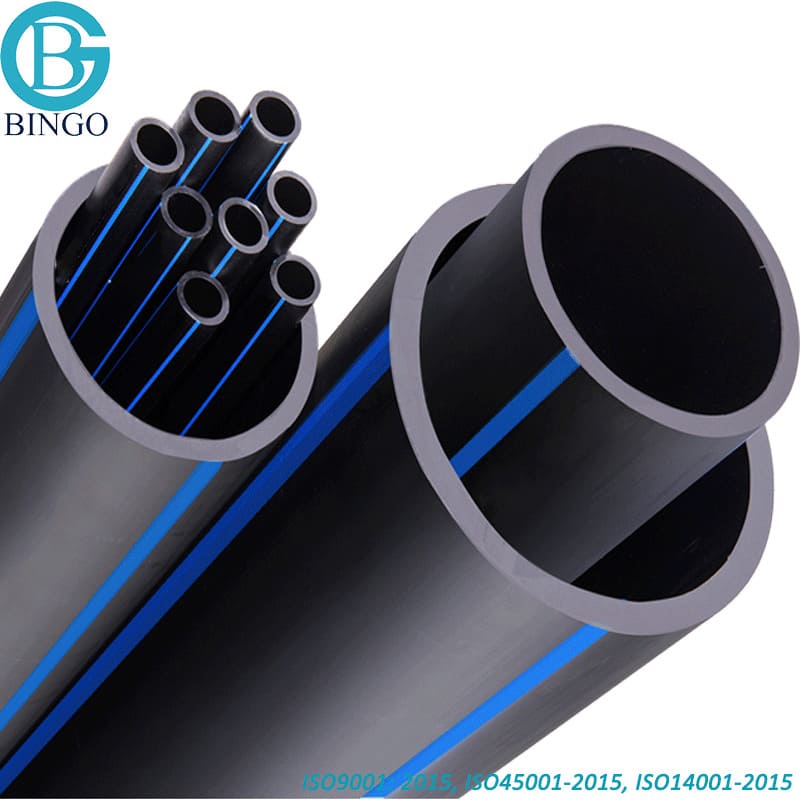
The development of innovative product solutions has actually changed the landscape of pipeline manufacturing, improving both efficiency and toughness. Advanced products such as high-density polyethylene (HDPE), cross-linked polyethylene (PEX), and composite products have become game-changers, providing exceptional resistance to rust, temperature variations, and pressure variations. American Plastics LLC HDPE Pipeline Manufacturer. These materials not just expand the life-span of pipes but likewise minimize upkeep expenses, making sure trusted long-lasting efficiency
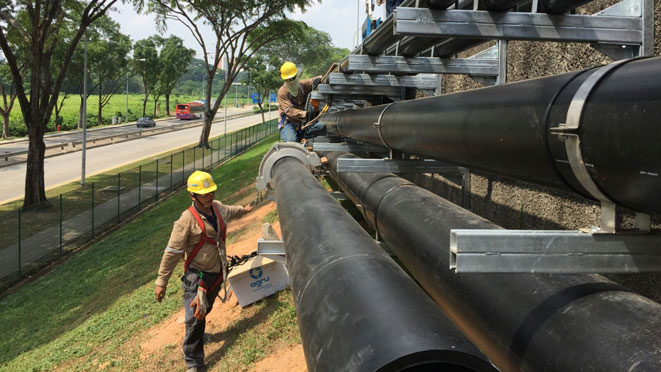
Sustainability is an additional essential emphasis, with manufacturers checking out bio-based composites and recyclable products that minimize environmental impact. As regulative criteria remain to progress, the focus on innovative material options ends up being paramount in meeting rigid safety and security and environmental needs. Eventually, these advancements not just boost the reliability of pipeline systems yet also add to the total effectiveness and sustainability of power transportation infrastructures.
Technologies in Pipeline Technology
Developments in pipeline technology are reinventing the market by enhancing effectiveness, security, and environmental sustainability. Recent innovations concentrate on smart pipeline systems that use sensing units and IoT technology to keep an eye on problems in genuine time, making it possible for proactive maintenance and decreasing the danger of failures. These systems can spot leaks, pressure modifications, and various other abnormalities, enabling rapid response and reducing ecological influence.
In addition, the growth of innovative materials, such as composite and corrosion-resistant alloys, considerably extends the life-span and dependability of pipelines. These materials decrease maintenance costs and boost performance in harsh environments, making them excellent for gas, oil, and water transportation.
In addition, automation and robotics are playing an essential function in pipeline construction and examination (American Plastics LLC HDPE Pipeline Manufacturer). Drones and robot gadgets help with studies and evaluations of hard-to-reach locations, ensuring thorough examinations without jeopardizing safety
Moreover, innovative designs, such as modular pipeline systems, permit for greater versatility in installment and alteration, dealing with the vibrant requirements of the power industry. Together, these technical advancements not just boost operational effectiveness yet also add to a more resilient and lasting pipeline facilities, leading the way for a greener future.
Situation Studies of Success
Throughout various markets, effective implementations of innovative pipeline technologies demonstrate substantial renovations in operational effectiveness and safety and security. One noteworthy situation is the implementation of clever pipeline tracking systems in the oil and gas market, where real-time information analytics have actually lowered leak detection times by over 50%. This not just minimizes environmental threats but likewise boosts the total honesty of pipeline infrastructure.
One more exemplary situation is discovered in the water distribution sector, where the setup of innovative products, such as high-density polyethylene (HDPE), has actually caused a significant reduction in pipeline deterioration and upkeep prices. A significant city reported a 30% decrease in water loss as a result of leakages after updating its aging pipeline connect with these innovative materials.
Furthermore, a major manufacturer executed robot inspection technologies in its pipeline upkeep procedures, leading to a 40% renovation in inspection performance. This strategy has streamlined upkeep schedules and considerably reduced downtime.
These instance researches highlight how top pipeline suppliers are leveraging sophisticated innovations to cultivate integrity and operational excellence, inevitably setting new criteria for the market (Pipeline Manufacturer). As these successes continue to unfold, they lead the method for additional developments in pipeline manufacturing and monitoring
Environmental Sustainability Practices

Often, pipeline makers are prioritizing environmental sustainability practices to mitigate their environmental impact and enhance the long life of their items. This dedication is shown in various efforts targeted at decreasing waste, conserving energy, and making use of lasting materials throughout the manufacturing process.
Numerous producers are adopting advanced technologies that lessen emissions and power intake. The integration of automated systems and energy-efficient machinery helps enhance manufacturing while lowering reliance on fossil gas. Additionally, business are significantly turning to green products, such as recycled steels and bioplastics, which not just decrease the environmental influence but additionally promote a circular economic situation.
Pipeline makers are applying strenuous lifecycle assessments to assess the ecological implications of their products from beginning to disposal. This approach enables them to identify chances for enhancement and foster accountable sourcing and waste monitoring methods.
Collaboration with environmental organizations better improves these initiatives, as producers seek to align their operations with worldwide sustainability goals. Inevitably, these ecological sustainability practices not only add to a much healthier world but likewise setting suppliers as responsible leaders in the market, interesting ecologically conscious stakeholders and customers alike.
Future Trends in Pipeline Manufacturing
As the demand for more sustainable and reliable infrastructure expands, pipeline manufacturing is poised for considerable improvements that will certainly reshape the market. Secret trends expected in the coming years include the integration of sophisticated materials, such as composite and corrosion-resistant alloys, which enhance durability while decreasing ecological effect. Manufacturers are also expected to embrace cutting-edge manufacturing methods, like additive manufacturing and automation, to enhance processes, decrease waste, and reduced prices.
The increase of smart pipeline modern technologies, including sensors and IoT tools, will certainly make it possible for real-time monitoring and predictive upkeep, thus enhancing safety and operational performance. This digital makeover will not just optimize source administration yet likewise facilitate compliance with rigid environmental laws.
Sustainability will certainly remain a main focus, driving producers to purchase green techniques, including energy-efficient production techniques and recycling efforts. As the international emphasis on climate change magnifies, pipeline suppliers will require to adjust by establishing services that fulfill both economic and environmental demands.
Regularly Asked Questions
What Industries Primarily Use Pipeline Products From These Manufacturers?
Pipeline products are mainly made use of in sectors such as oil and gas, water and wastewater administration, chemical building and construction, mining, and handling. These fields count on effective, resilient, and secure transport of liquids and products.
Exactly How Do Manufacturers Guarantee Conformity With International Pipeline Requirements?
Manufacturers ensure compliance with global pipeline standards by implementing strenuous quality assurance procedures, conducting normal inspections, sticking to well established regulatory structures, and spending in employee training to advertise awareness and understanding of safety and security and quality needs.
What Is the Average Life Expectancy of Pipelines From Leading Manufacturers?
The average lifespan of pipelines from leading makers usually ranges from 30 to 100 years, depending upon product, ecological problems, and upkeep practices. HDPE Pipe Manufacturing Texas. Regular assessments and adherence to sector requirements considerably affect long life and performance
Exist Certifications Particular to Pipeline Production Top Quality?
Yes, different qualifications exist for pipeline manufacturing top quality, consisting of ISO 9001 for quality administration systems and API requirements particular to pipes. These certifications ensure adherence to strenuous safety, performance, and ecological criteria within the industry.
Exactly How Do Manufacturers Deal With Pipeline Upkeep and Repairs?
Manufacturers normally apply a proactive maintenance technique that includes routine evaluations, monitoring systems for early discovery of concerns, and an organized repair protocol (HDPE Pipe Supplier). This method warranties pipeline honesty, decreases downtime, and enhances overall operational effectiveness
Quality analysis in pipeline manufacturing pivots on 2 critical standards: product resilience standards and producing process effectiveness. Material sturdiness requirements play a crucial function in assessing the quality of pipelines, determining the efficiency and life expectancy of the materials made use of in construction. The products and making procedures utilized by pipeline producers play a significant duty in figuring out the sturdiness of the final product. The average lifespan of pipes from leading makers normally ranges from 30 to 100 years, depending on material, environmental problems, and upkeep methods. Yes, various qualifications exist for pipeline making top quality, consisting of ISO 9001 for high quality management systems and API criteria certain to pipelines.
Comments on “HDPE Pipe Supplier support: why service matters”